
Business Representatives
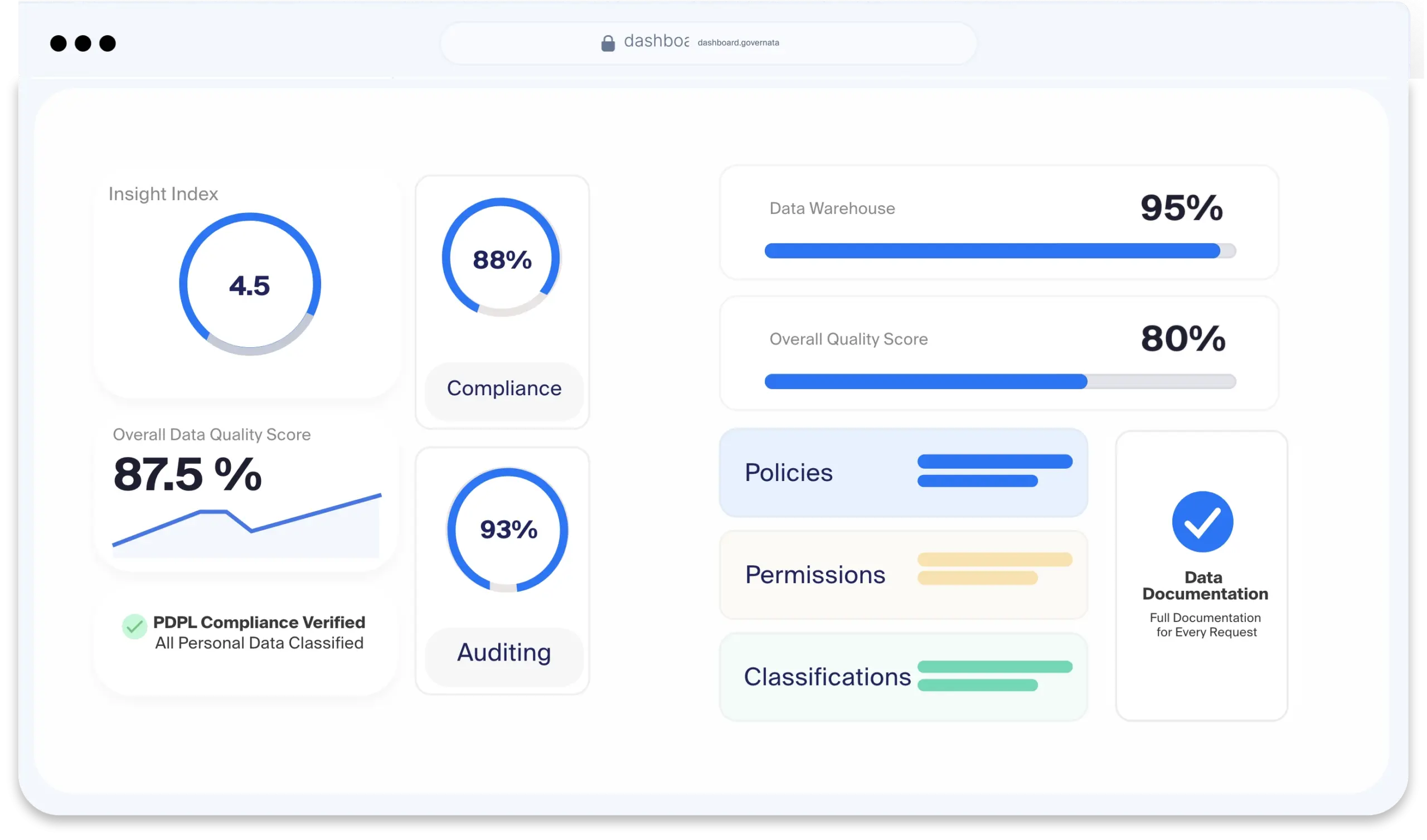
Clearer visibility into policies, classifications, permissions, and audit logs in one system that helps governance teams reduce manual work and prepare for audits with confidence.


You gather evidence from scattered systems before every audit and spend hours preparing files that may only be requested once.

Having an approved governance framework is not enough on its own, unless policies are turned into clear rules applied to data in daily operations.

Requests from regulatory authorities need clear and quickly accessible evidence, not an internal race to collect files at every review.
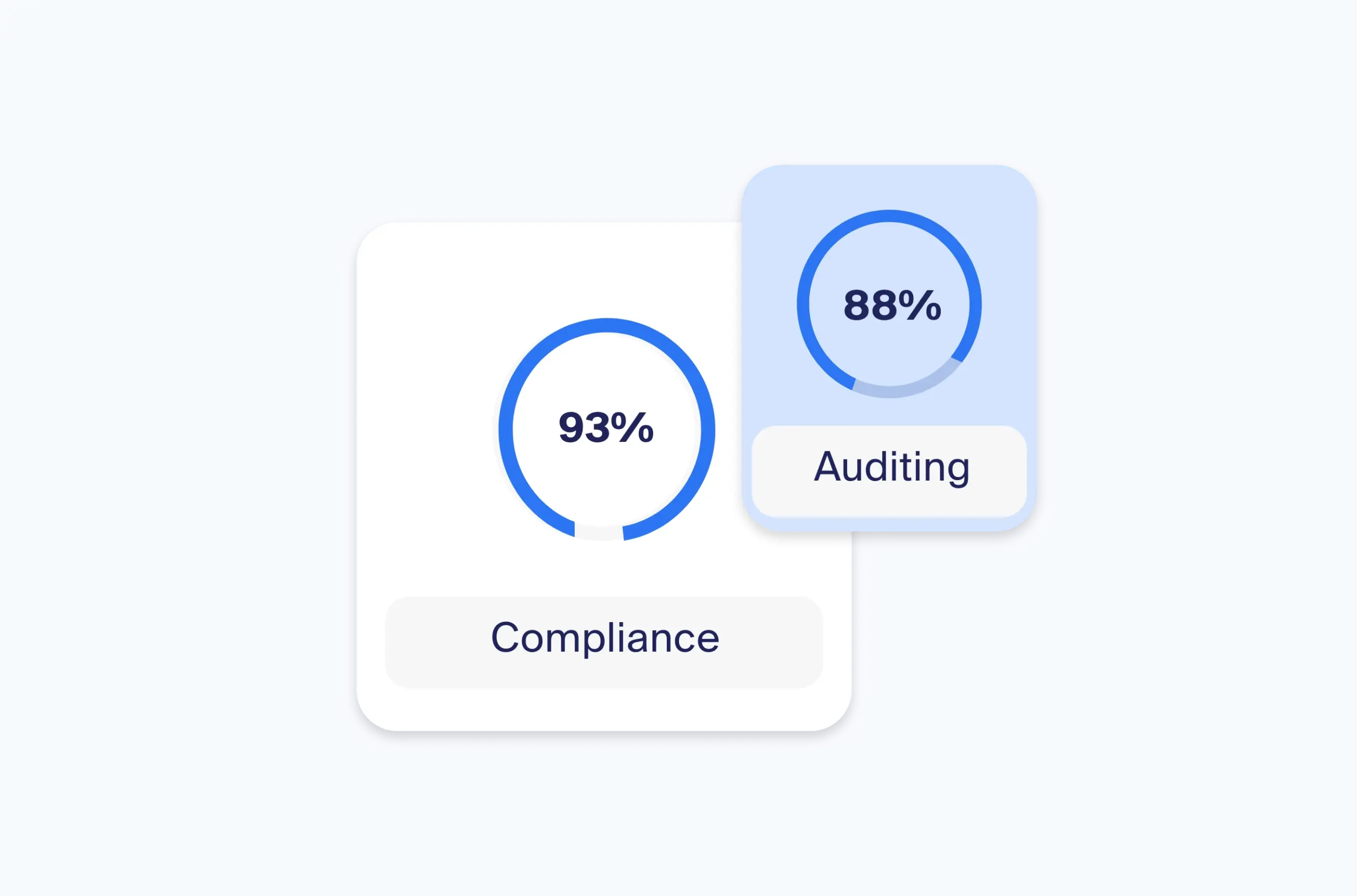
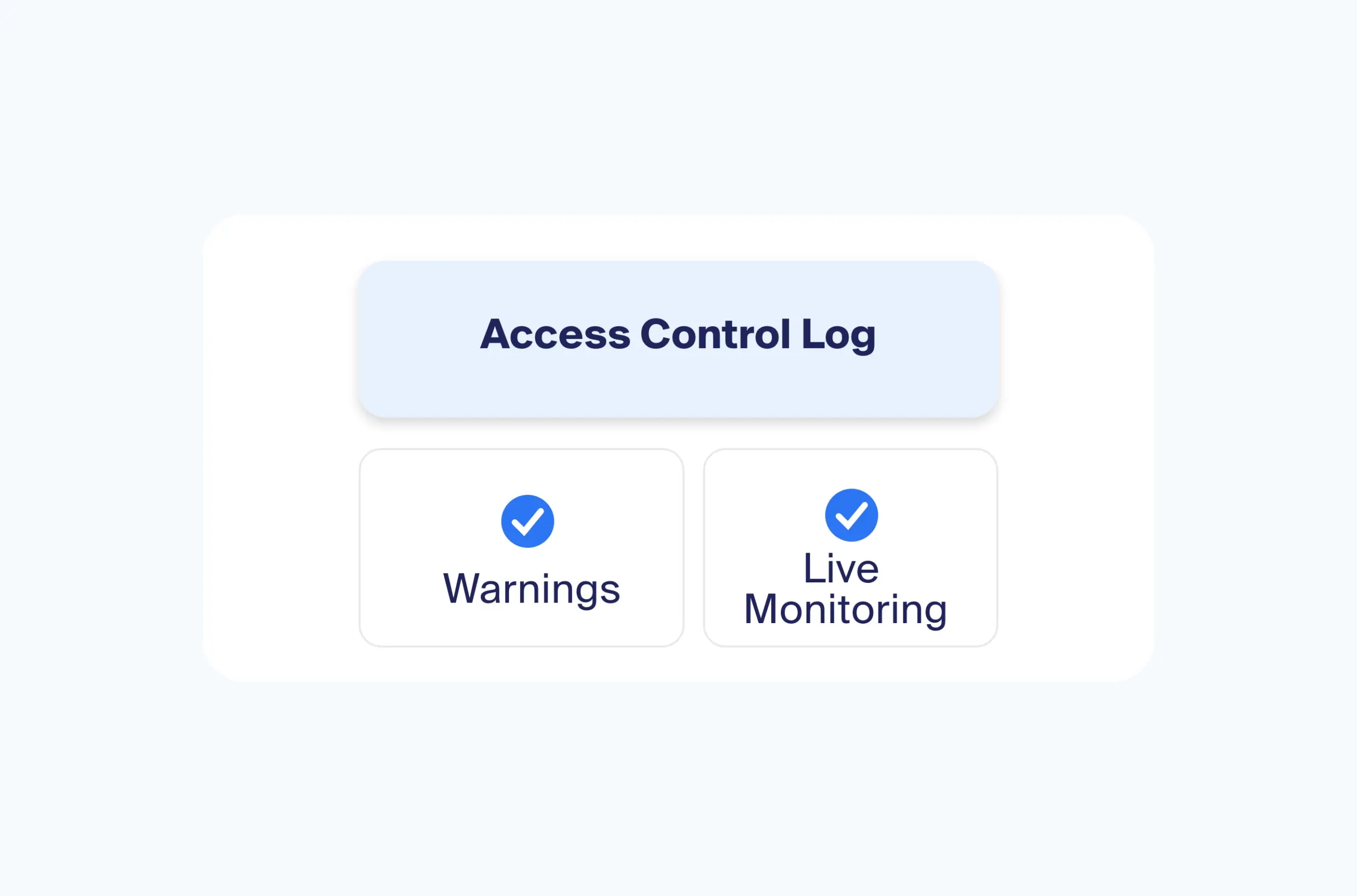
Governance actions are recorded during the workflow, such as classification, policy approval, and permission changes, with a clear record that reduces the need for manual tracking.


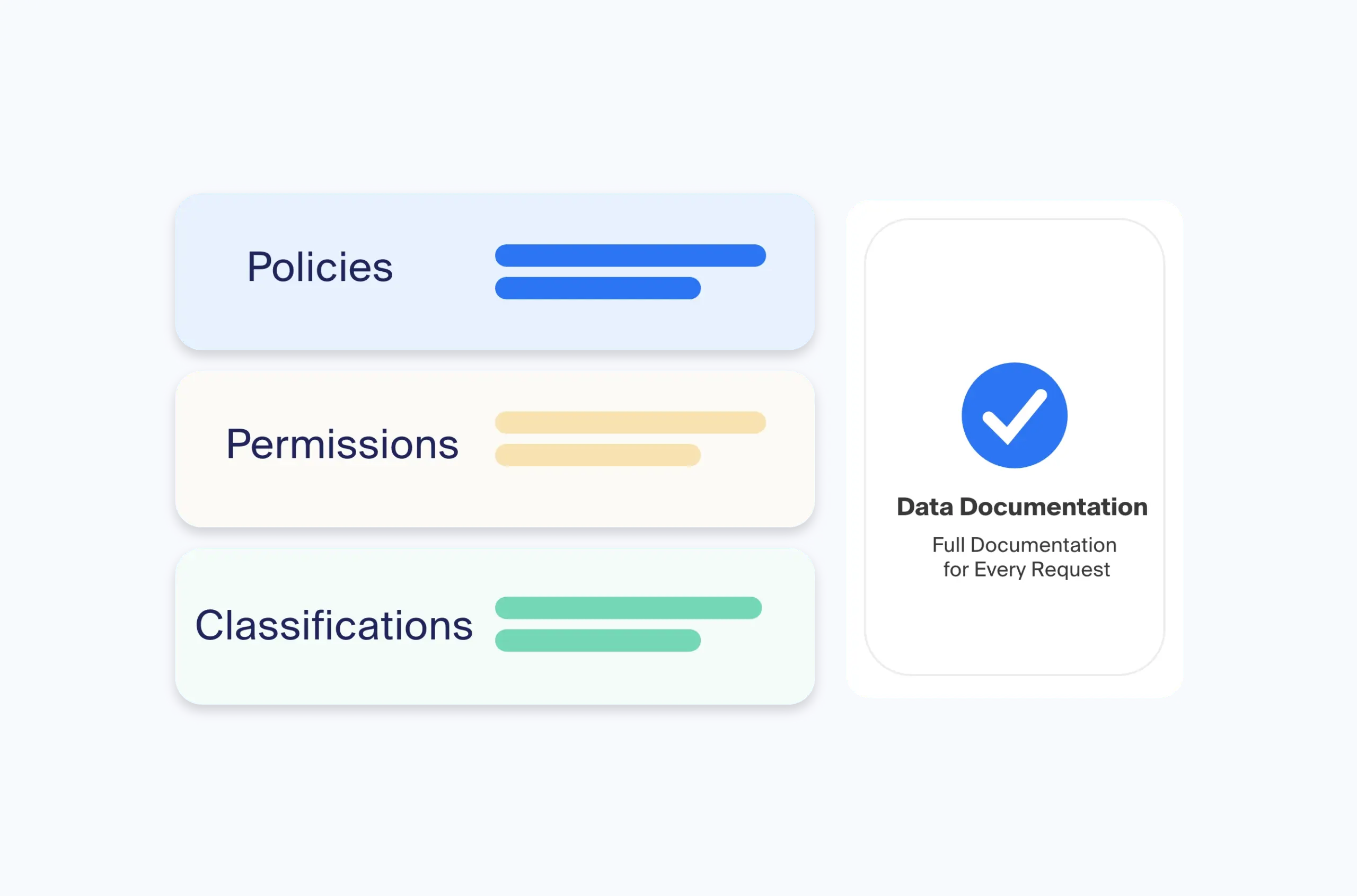
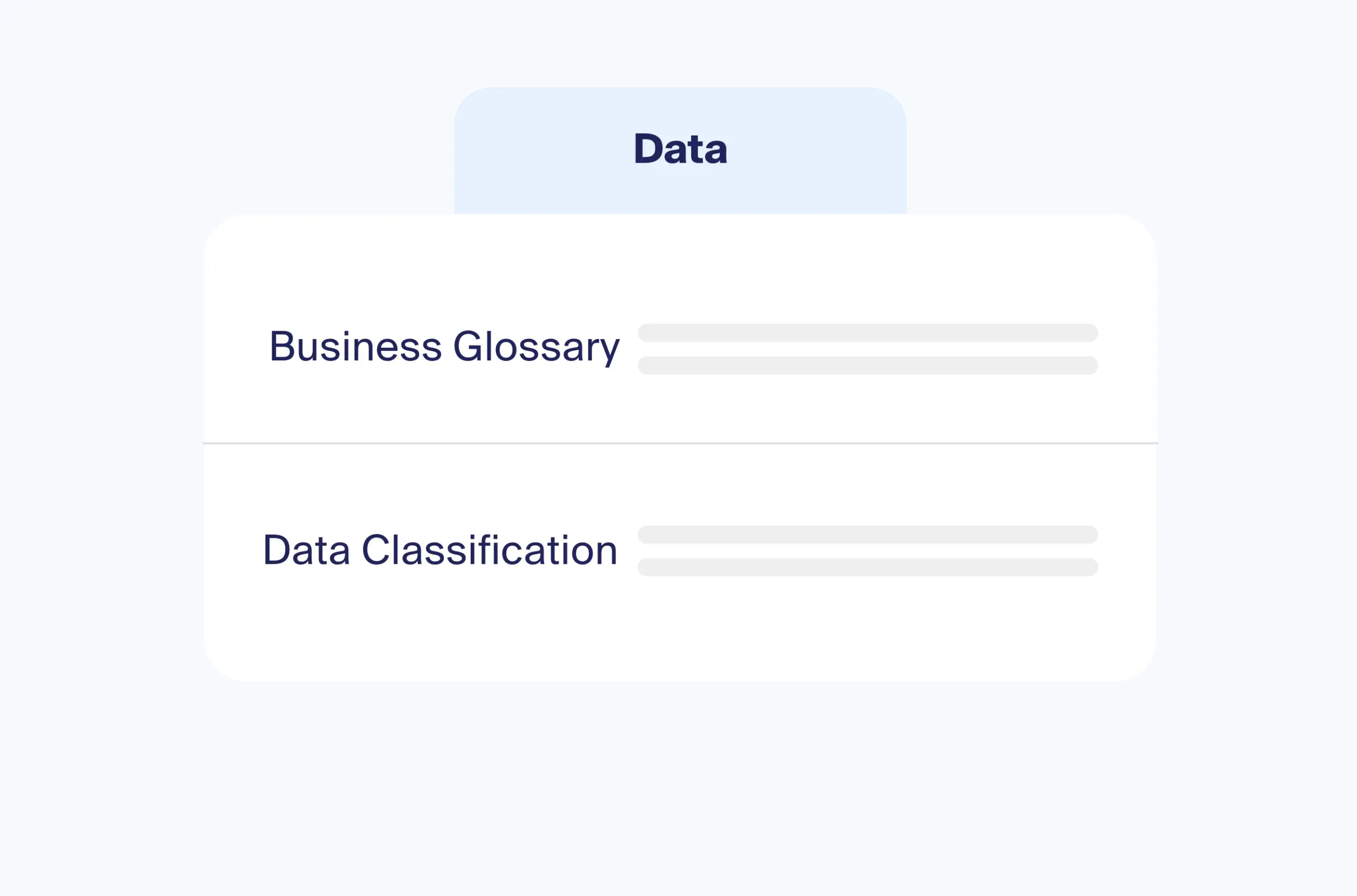
Policies are transformed from written documents into rules connected to terms, classifications, and permissions, becoming part of the way data is managed daily.

User permissions are clarified and connected to roles and classification levels, with a record that can be referred to during review or audit.


Policy, classification, and permission changes are organized within a clear approval cycle between data owners and data stewards, with every step and decision documented.
In an environment that requires continuous compliance, the Data Governance Officer needs clear visibility into the state of governance, instead of relying on manual follow-up and repeated searches for evidence before every audit.

The need to collect information from scattered files and systems is reduced, because the state of governance becomes clearer and easier to monitor.

Clear visibility into the state of policies and evidence helps the Governance Officer understand readiness for review before an audit request arrives.

Instead of treating governance as scattered tasks, daily follow-up becomes more organized and more connected to compliance priorities.
The system helps organize policies, classifications, permissions, and audit logs in one place, reducing the need to manually collect evidence from scattered files and systems before every review.
Yes, governance actions such as data classification, permission changes, policy approvals, and access requests can be documented, while keeping details that help with review and audit.
The system connects policies to operational elements such as the Business Glossary, Data Classification, and Access Management, making policies closer to daily application instead of remaining separate documents.
Yes, it helps provide clearer visibility into the state of governance through organized records, reviewable evidence, and reports that support governance and compliance teams when an audit is requested.
The system supports permission management based on roles and classification levels, with clear documentation of who can access the data and what level of access is allowed.
Yes, policies, classification levels, and access rules can be customized to match the nature of the organization, sector requirements, and the internally approved governance framework.
Manual management often depends on separate files and repeated follow-up. Governata connects policies with data, classification, access, and documentation inside one trackable system.
Yes, the system supports applying and tracking data governance and personal data protection requirements through classification, documentation, access management, and audit logs.
Organize policies, evidence, and audit logs in one system that helps governance teams prepare for audits with greater confidence.